
Where Splitt’s design comes from
Much of Splitt’s design comes from one app: Family, an Ethereum wallet for iPhone. Family closes in April 2027. Before it goes, here’s what we took from it and what we changed.
What Family is
Family was made by Los Feliz Engineering, a software studio founded by Benji Taylor, who also led its design. In 2023 Avara, the company behind Aave, bought the studio. Benji now leads design at X.
In February 2026 Aave said it would shut the app down. Family stopped taking new users on April 1, 2026. It stops working on April 1, 2027.
Most crypto wallets look like trading apps: charts, prices and a dozen buttons on one screen. Family looked calm. It showed what you needed at that moment and kept the rest out of the way.
In July 2024 Benji described how the team worked in an essay, Family Values. It rests on three ideas: simplicity, fluidity and delight. It explains the thinking behind most of what follows.
Cards instead of new screens
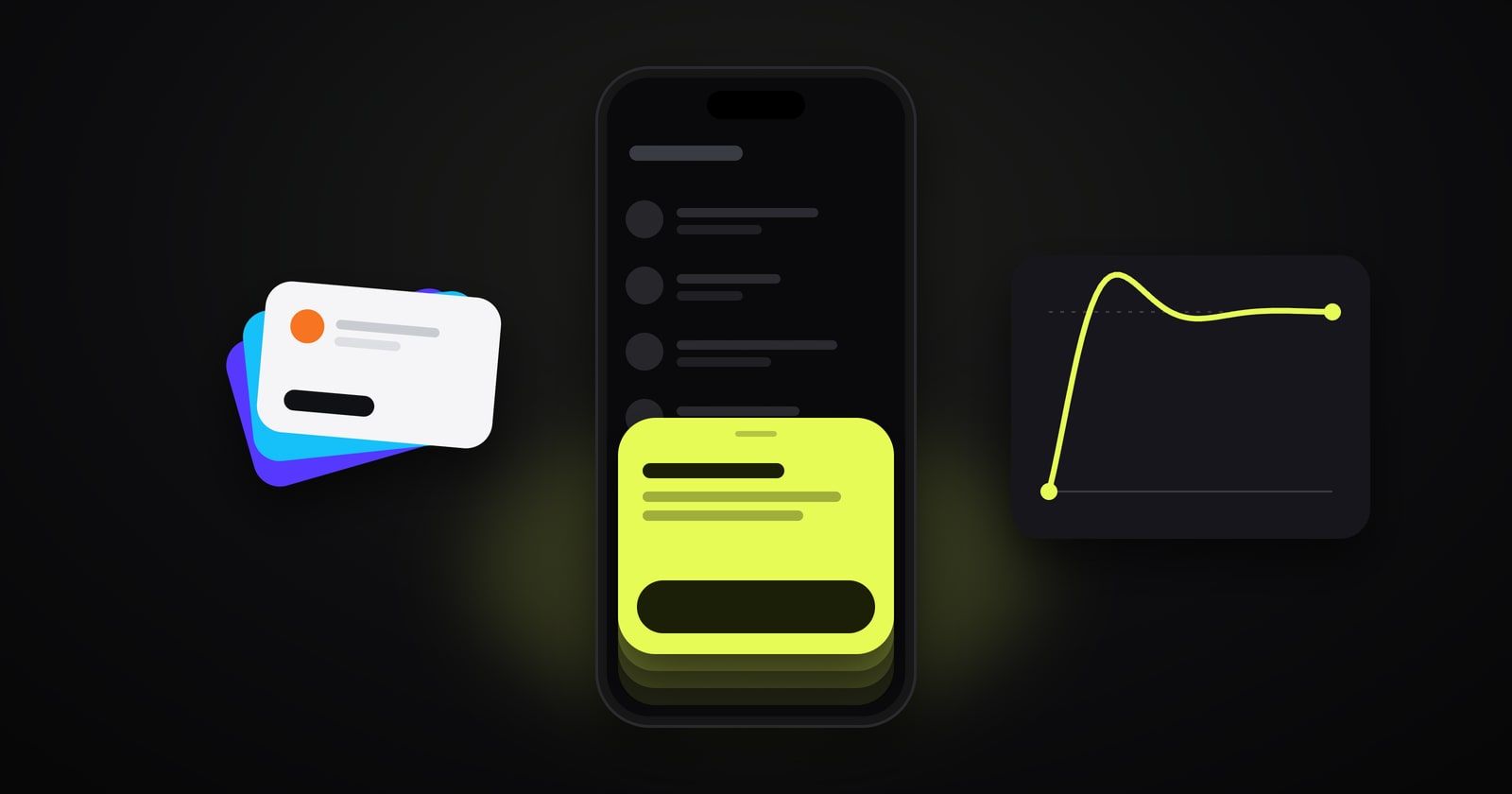
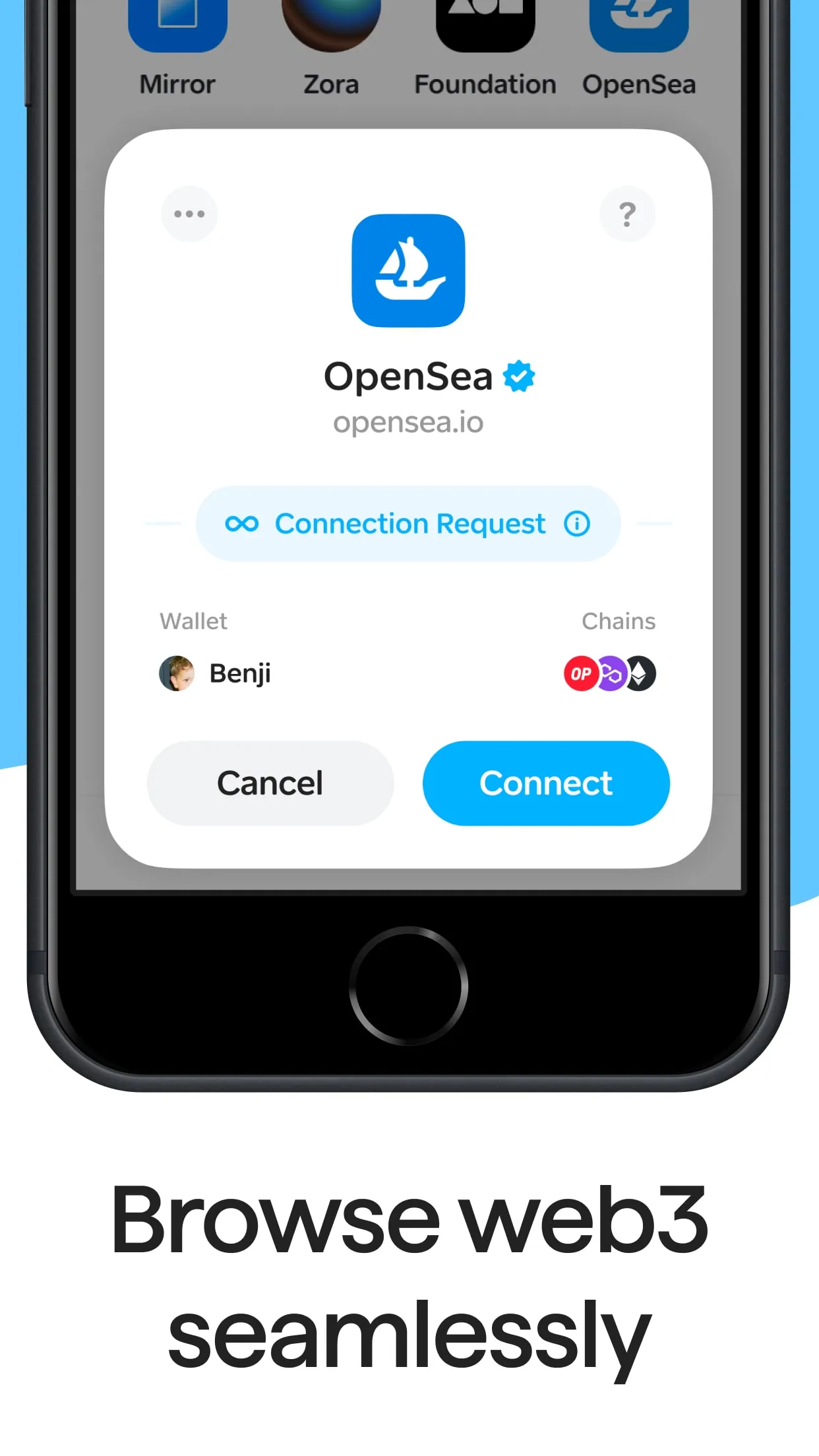
Family rarely takes you to a new screen. When you connect to a website or sign a transaction, a card rises from the bottom. It floats with a gap on each side, and the screen you came from stays visible behind it. When the next step needs more room, the same card grows instead of being replaced. Family calls these trays, and credits part of the idea to Craft, the notes app.
We weren’t the only ones who learned from them. In November 2023 Emil Kowalski, the design engineer who made the Vaul and Sonner components, rebuilt Family’s trays for the web. He said his version came close but wasn’t as good as Family’s own.
Splitt works the same way. Settle up, a payment and an expense all open as cards. The settle-up card sits 8 points from the sides of the screen, with 36-point corners, over a dimmed background.
An expense opens as a small card. Drag it up and it fills the screen. Drag it down and it’s a card again. Drag once more and it closes. Your phone gives a small tap each time the card changes size.
Fly, don’t teleport
Family’s essay has a four-word rule for motion: “We fly instead of teleport.” Nothing should just appear. When something changes, you should see where it came from and where it went. In Family, even switching tabs moves left or right, toward the tab you tapped.
Splitt follows the same rule. When you add a split, the screen behind shrinks back a little and the new one settles in on top. Tap your balance and it grows from a small number in the top corner to a large one in the middle. The digits roll to the new amount instead of swapping at once. Most of these moves take about 0.3 seconds: long enough to follow, short enough that you never wait.
The look, and what we changed
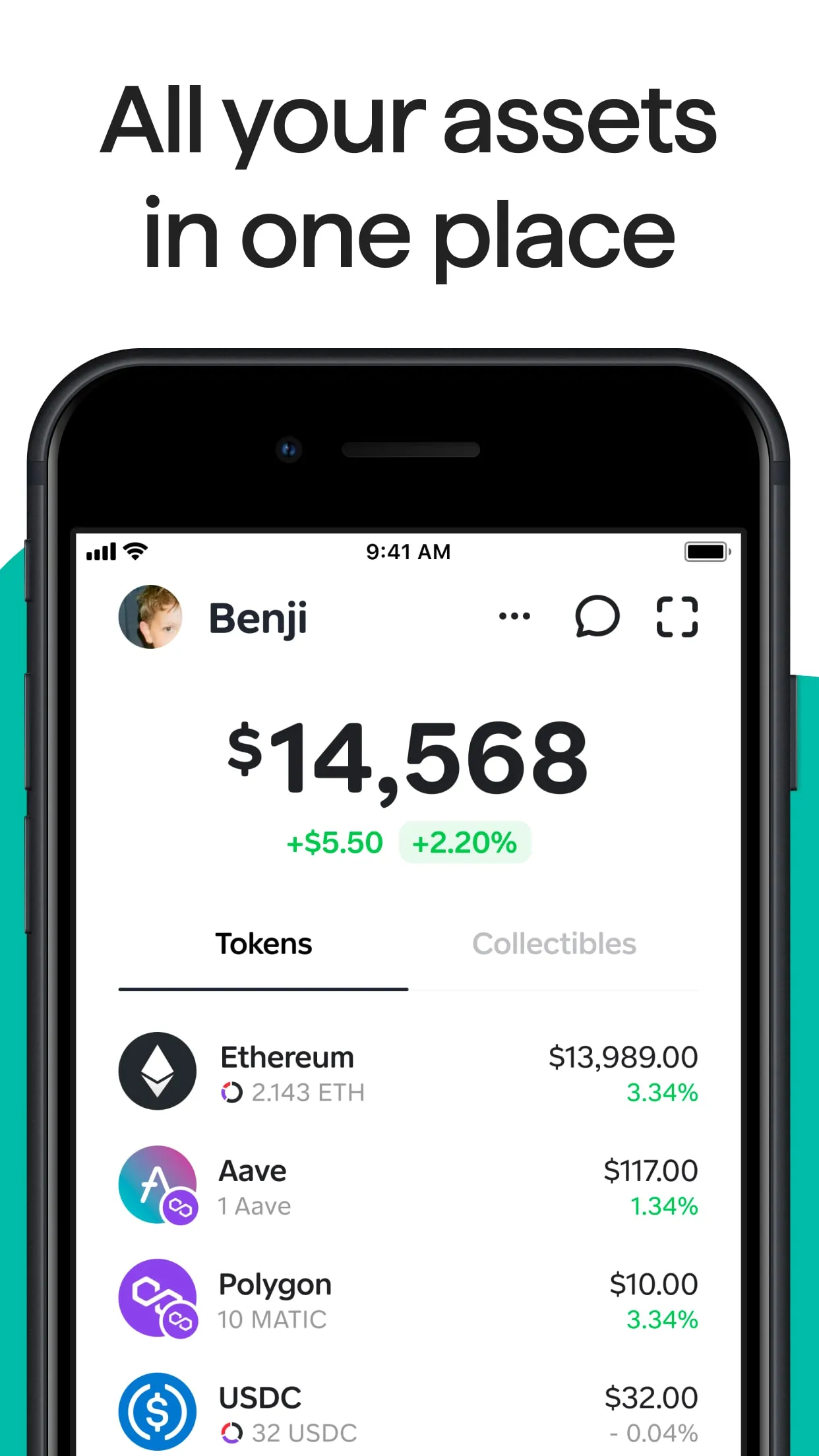
Put Family’s home screen next to a group in Splitt and you’ll see the same structure. A round icon on the left. A bold name with a grey line of detail. Amounts on the right. One font, lots of empty space, no lines between rows.
This is where we borrowed the most, so it’s also where we changed the most. Family is bright: each wallet gets its own color, and buttons come in blue and red. Splitt is mostly black and white, and color means money: green when someone owes you, red when you owe. Expense icons sit in dark circles, where Family shows each token’s logo.
Where Family is still ahead
The third idea in the essay is delight: small surprises, placed with care. Tap the QR code in Family and the dots ripple like water. Swipe it and they turn into sequins. Splitt has a few moments like that, such as the check mark that draws itself when a group settles up. Family has more of them, and they’re better.
Thank you
Family stops working on April 1, 2027. Its ideas will last longer than that, and some of them now live in Splitt.
Benji’s essay names the people behind the interactions it shows: Alex Vanderzon, Miles Vinson, Chris Lang, Benjamin Mayo, Stefano Demicheli, Julia Han, Kyle Howells, Benjamin Zweig and Shaps Benkau. Thank you to them, to Benji, and to everyone else who worked on Family.
If you design apps, read Family Values. It’s long, and nearly every idea in it comes with a video.